Contents
Supports leave marks that someone has to clean up by hand. Add too many and cleanup takes hours, with a real chance of nicking the surface; add too few and delicate features can distort during the print, which costs more later. Support placement and part orientation have to be decided together.
Where supports should land
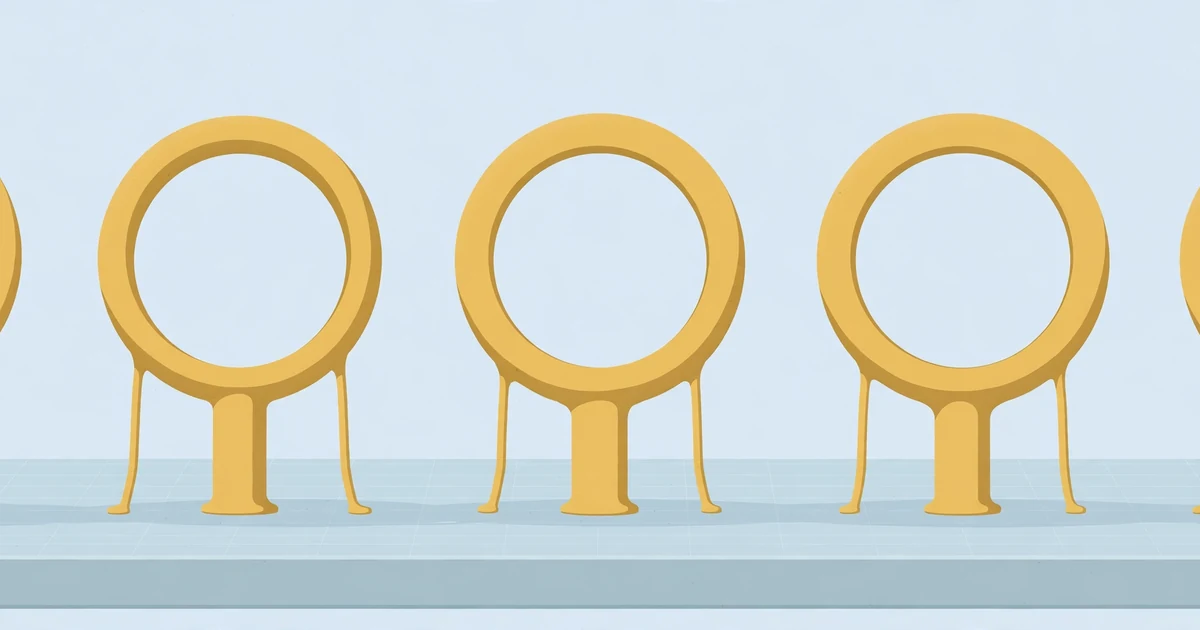
- Most rings need just one main support trunk from the base: a single trunk rising from the plate to the bottom of the ring carries the print.
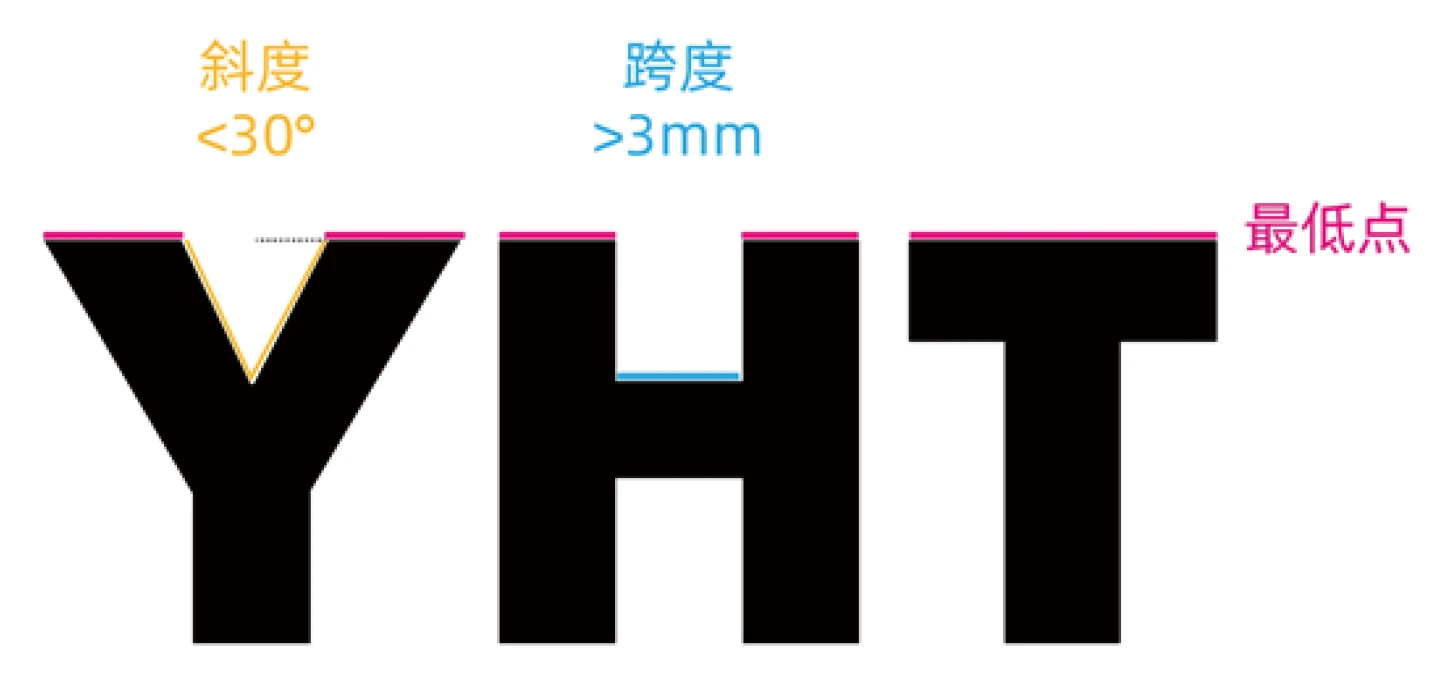
- Add small supports only at the lowest points: spots that would droop or fall away get one or two thin supports, not a full forest of struts.
- Keep support tips on faces that do not show: the base, inside faces, and areas that will be finished later; keep them away from prongs, filigree and pierced edges.
- Check every support point after removal: with low-ash casting resin, a support mark left on the surface will show after casting, so confirm the finish while the pattern is still in hand.
How to choose orientation
- Start from the part: turn fine features upward, put broad flat faces toward the side that takes supports, and keep overhanging faces to a minimum.
- Then look at the build area: the 4K-120 build area is 120 × 67.5 mm, so when several patterns share a plate, leave room to remove and clean each one without crowding.
- Print a test piece in a different orientation, compare support marks and distortion, and then settle the orientation for a full plate.
Placing supports in the slicing software
Support positions can be set directly in Apex Studio, the slicing and layout software, which offers both automatic and manual support placement: run the automatic pass first, then adjust the main trunk and the low-point supports by hand, so layout and supports are done in one pass, quickly and efficiently.
Pre-print checklist
- One main trunk from the base, not a cluster of supports
- Extra supports only at the lowest points
- No supports near prongs or filigree
Actual results vary by model geometry, resin material, and slicing profile; run one or two representative pieces and confirm supports and orientation before a full run.